Breaking Down Barriers
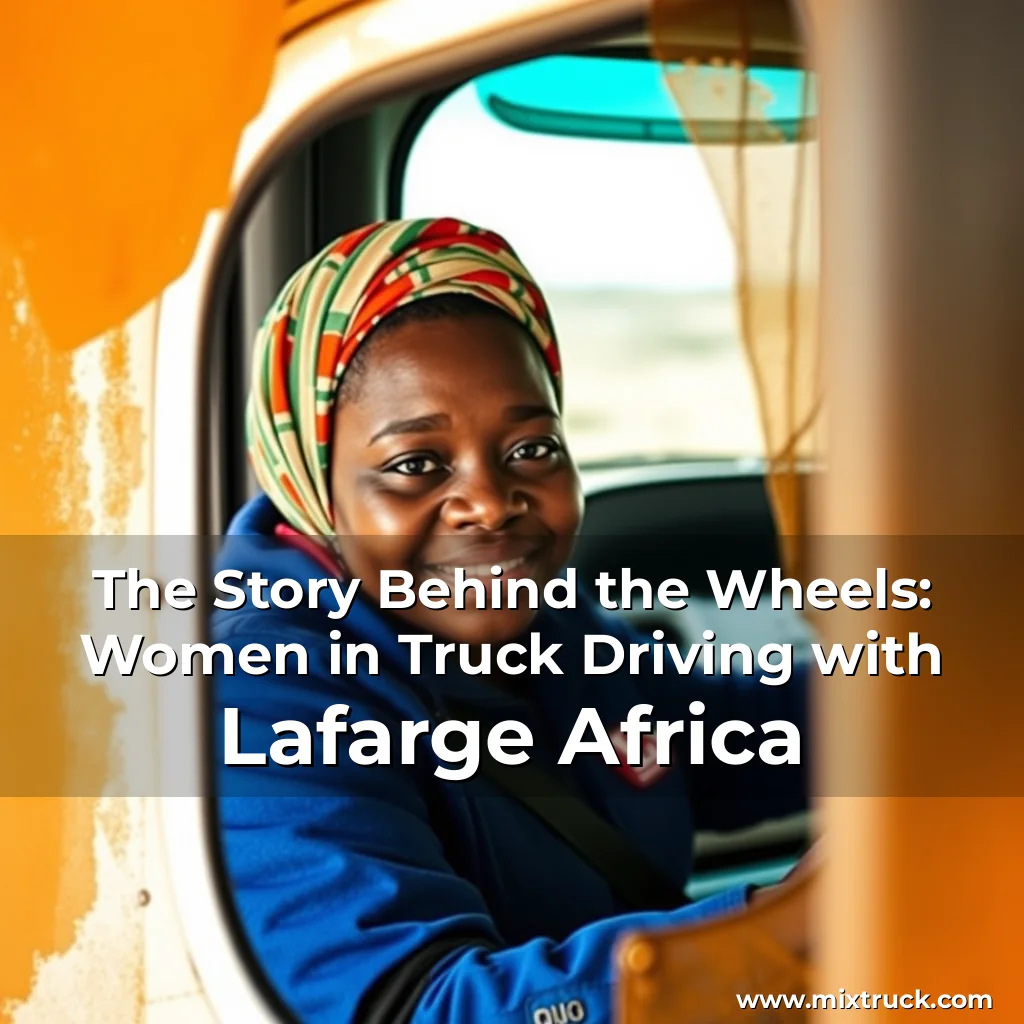
In 1956, a trailblazing woman named Chief Funmilayo Ransome-Kuti took to the roads as the first Nigerian woman to drive a car. A groundbreaking moment in the fight for gender equality, this act not only symbolized her independence but also challenged the patriarchal norms that limited women’s access to driving. Prior to this, driving was considered an exclusive preserve for men, with women relegated to the passenger seat. It was a status quo that needed a disruption, and Chief Funmilayo delivered. Before her, the thought of a woman driving was almost unimaginable. The notion of a woman behind the wheel was met with skepticism and even ridicule. However, with her bold move, she shattered the glass ceiling and paved the way for future generations of women to take the reins. Fast-forward to the present day, women are no longer confined to the passenger seat. They are not only driving their own cars but also taking control of heavy-duty trucks. Initiatives like Lafarge Africa’s Women on Wheels programme have made it possible for women to join the trucking industry, and the results are nothing short of remarkable.
Why Women Are Proving to Be Better Drivers
Studies have consistently shown that women are more cautious and safety-oriented on the road. When trained through Lafarge Africa’s initiative, women adopt defensive driving techniques, making them less likely to be involved in accidents and ensuring greater road safety. Here are some key reasons why women are proving to be better drivers:
- Women are more cautious and safety-oriented
- They are better vehicle maintenance and care experts
- Women have superior fuel efficiency skills
- They have lower accident rates compared to men
- Women are strong decision-makers and crisis managers
The Benefits of Women in Truck Driving
The introduction of women into the trucking industry has numerous benefits for the nation and the environment. Some of these benefits include:
- Increased safety on the roads
- Improved fuel efficiency
- Reduced accident rates
- Environmental benefits from reduced fuel consumption
A Progressive Journey
The journey from the first Nigerian woman behind the wheel to women taking charge of heavy-duty trucks has been progressive. With initiatives like Women on Wheels, Lafarge Africa is not only putting more women in the driver’s seat but also proving that they bring unique strengths to the road, making transportation safer and more efficient for everyone.
“The Women on Wheels programme has been instrumental in breaking down barriers and promoting women’s empowerment in the trucking industry. It has provided a platform for women to develop new skills, gain confidence, and take control of their careers,”
| Year Launched | 2019 |
| Programme Objective | To empower women through truck driving training |
| Training Duration | 3 months |
| Number of Participants | Over 100 women |
Highlights of the Programme
Lafarge Africa’s Women on Wheels programme has achieved numerous milestones. Some of the highlights include:
- Empowering over 100 women through truck driving training
- Providing a platform for women to develop new skills and gain confidence
- Breaking down barriers and promoting women’s empowerment in the trucking industry
Women are the future of the trucking industry, and initiatives like Lafarge Africa’s Women on Wheels programme are paving the way for their entry into the workforce.
Definitions
- Defensive driving techniques
Defensive driving techniques refer to the strategies and habits employed by drivers to avoid accidents and ensure road safety. These techniques include maintaining a safe distance from other vehicles, avoiding distractions while driving, and being aware of one’s surroundings.
Conclusion
In conclusion, the story behind the wheels is one of empowerment, independence, and progress. With initiatives like Lafarge Africa’s Women on Wheels programme, women are taking the reins of the trucking industry, and the results are nothing short of remarkable. As we look to the future, it is clear that women will play a vital role in shaping the transportation industry, and their entry into the workforce will have a lasting impact on the nation and the environment.