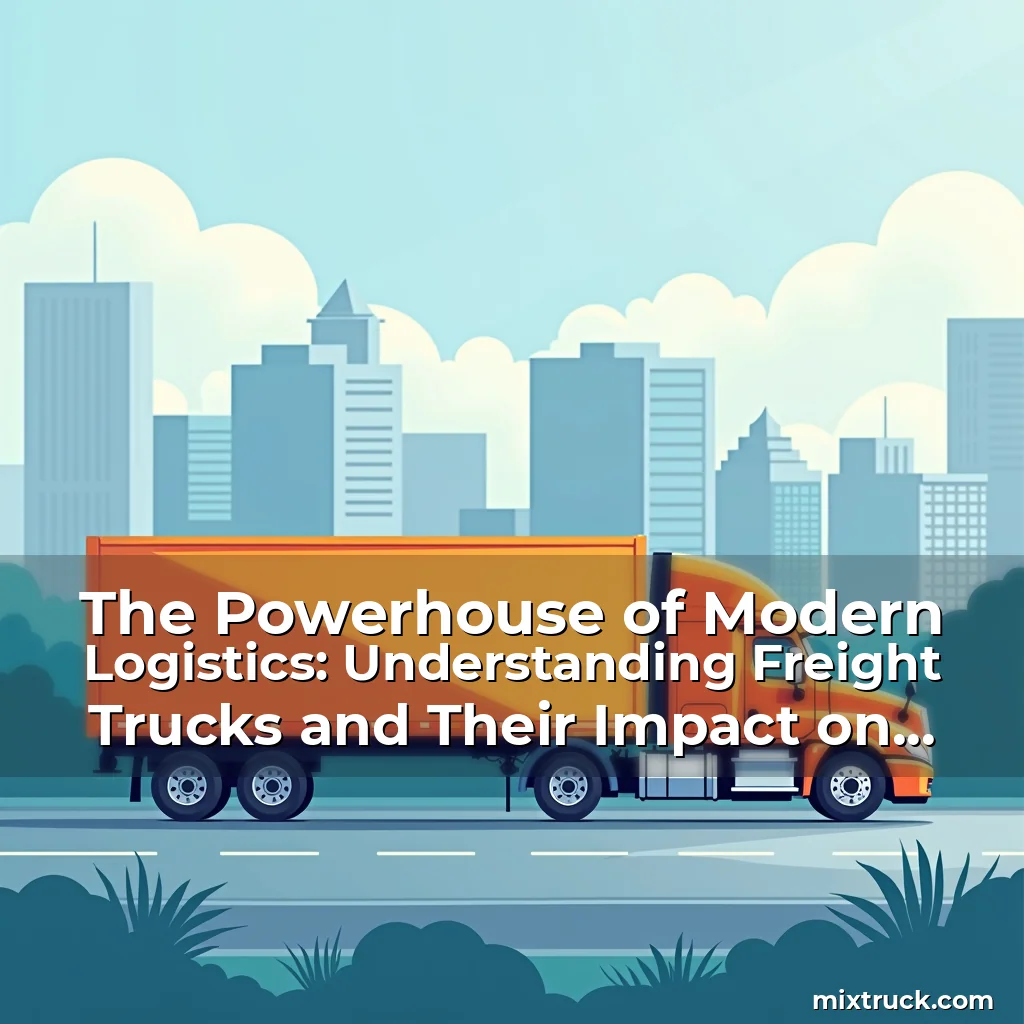
The Powerhouse of Modern Logistics: Understanding Freight Trucks and Their Impact on Global Trade
In an era where global commerce is driven by speed and efficiency, freight trucks stand as silent titans, moving goods across continents without pause. These massive vehicles form the backbone of supply chains, ensuring that everything from consumer products to industrial machinery reaches its destination reliably.
Their role extends beyond mere transportation; they are essential players in maintaining economic stability and enabling international trade networks that connect millions of businesses every day.
The Evolution of Freight Trucking Through History
Freight trucking has come a long way since its inception in the early 20th century. What began as simple horse-drawn carriages evolved rapidly with technological advancements, leading to the development of powerful diesel engines and sophisticated cargo management systems.
This evolution was not only driven by innovation but also by necessity. As industries expanded globally, there arose a need for faster, more reliable methods of transporting bulk quantities over vast distances.
The introduction of standardized trailer sizes during World War II marked a pivotal moment in logistics history. This standardization allowed for greater efficiency in loading and unloading processes at ports and warehouses worldwide.
Modern freight trucks now feature advanced GPS tracking systems, telematics, and even autonomous driving technologies that promise further improvements in delivery times and safety standards.
Diverse Types of Freight Trucks Serving Various Needs
Freight trucks vary significantly based on their size, capacity, and intended use within the transportation industry. From small local haulers to colossal intermodal containerships, each type plays a crucial role in meeting different logistical demands.
Flatbed trucks are ideal for transporting oversized loads such as construction equipment or heavy machinery due to their open-top design which allows easy access for loading and securing cargo.
Rubber-tired trailers offer flexibility when moving between rail lines and highways, making them perfect for intermodal transport operations that combine road and rail travel routes efficiently.
Cargo vans provide an excellent solution for urban deliveries requiring maneuverability through tight city streets while still offering sufficient space for medium-sized shipments.
Refrigerated trucks, commonly referred to as reefers, maintain precise temperature controls necessary for perishable items like foodstuffs or pharmaceuticals throughout transit periods.
- Pickup trucks: Although primarily used for personal purposes today, pickup trucks originally served commercial roles before evolving into popular household staples.
- Tanker trucks: Specialized in carrying liquids ranging from fuel oil to water supplies safely across various terrains using specialized containment units designed specifically for hazardous materials handling.
- Box trucks: Widely utilized across multiple sectors including retail distribution centers because of their enclosed compartments that protect contents against weather elements during transport.
Understanding the Components That Make Freight Trucks Operate Efficiently
A typical freight truck consists of several key components working together seamlessly to ensure smooth operation under diverse conditions encountered along journeys spanning thousands of miles annually.
The engine serves as the heart of any vehicle, providing power required to move heavy payloads across varying terrain types effectively without compromising performance levels consistently.
The transmission system manages how energy generated by the engine gets transferred appropriately towards wheels so that acceleration remains controlled regardless of load weights being carried.
Battery packs play vital roles too especially concerning electrical functions related to ignition systems alongside auxiliary features found modern-day models equipped with numerous electronic devices.
Tire configurations differ depending upon whether one needs high traction capabilities versus fuel economy considerations based largely around expected operating environments faced regularly by drivers throughout service life spans.
Braking mechanisms have become increasingly complex featuring anti-lock braking systems (ABS) among other innovations aimed at improving stopping distances dramatically compared traditional setups previously employed decades ago.
Economic Implications of Freight Truck Operations On Local And National Levels
Freight trucking contributes substantially both economically and socially wherever these services operate actively contributing billions annually toward national GDP figures reported yearly by governmental agencies responsible monitoring macroeconomic indicators relevant sectors involved.
Employment opportunities created span wide ranges covering driver positions themselves plus ancillary support staff requiring expertise ranging from mechanics specializing repair work up skilled technicians dealing diagnostics issues arising unexpectedly sometimes out roadside locations far away populated areas.
Additionally, infrastructure developments often correlate closely with growth trends observed within this sector prompting governments invest heavily upgrading roads bridges tunnels etc., recognizing importance sustained expansion requires robust physical foundations supporting continued movement volumes increasing steadily year after year.
Environmental concerns however remain pressing topics needing addressed urgently given emissions produced vehicles contribute significantly greenhouse gases released atmosphere affecting climate change patterns negatively impacting ecosystems globally unless mitigated properly via adoption cleaner alternative fuels sources combined implementation stricter regulations governing operational practices adopted widely industry stakeholders alike.
Safety Protocols And Regulations Governing Freight Truck Industry Worldwide
To mitigate risks associated hauling large volumes potentially dangerous substances simultaneously navigating busy highway corridors frequented countless motorist daily, stringent safety protocols established universally accepted norms followed strictly adhered throughout globe irrespective geographical boundaries separating nations regions cultures present.
Regulatory bodies impose mandatory requirements regarding maintenance schedules inspection procedures conducted periodically ensuring mechanical integrity upheld continuously preventing breakdown incidents causing delays disruptions otherwise avoidable situations altogether.
Driver training programs mandated cover extensive curriculum addressing defensive driving techniques emergency response strategies fatigue management tactics crucial sustaining alertness prolonged shifts endured constantly demanding nature profession itself inherently stressful physically mentally exhausting endeavors undertaken regularly throughout careers lasting years typically spent behind wheel.
Furthermore, compliance certifications obtained proving adherence outlined guidelines necessary obtain permits authorize legal operation territories visited frequently cross-border trips involving multiple jurisdictions possessing distinct legislative frameworks governing vehicular movements accordingly.
Technological Advancements Revolutionizing Freight Transportation Sector Recently
The advent digital age brought forth transformative changes reshaping landscape entire freight transportation sector fundamentally altering ways businesses conduct operations streamline workflows enhance productivity outcomes achieved utilizing cutting-edge solutions available market currently.
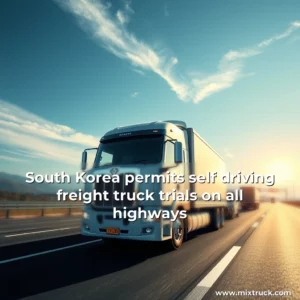
Autonomous driving technology represents forefront innovations promising reduce human error factors historically linked majority accidents occurring roadway incidents involving commercial vehicles weighing hundreds tons capable causing catastrophic damages upon collision scenarios unfolding unpredictably moments notice.
Artificial intelligence integrated fleet management software enables real-time data analysis predicting potential bottlenecks optimizing route selections dynamically adjusting schedules according fluctuating traffic congestion levels encountered en route destinations planned initially.
Internet-of-things (IoT) connectivity facilitates seamless communication amongst assets comprising complete supply chain network allowing instant updates status changes communicated instantly relevant parties affected thereby minimizing downtime maximizing utilization rates achieved overall performance metrics measured accurately benchmarked competitively.
Challenges Faced By Operators Within Freight Trucking Industry Today
Despite remarkable progress made field recent years, operators continue confronting multitude challenges threatening sustainability viability operations carried out consistently without interruption despite external pressures mounting relentlessly impacting bottom line results adversely whenever possible.
Labor shortages persistently plague workforce segment particularly experienced professional drivers willing commit lengthy hours enduring grueling schedules demanded contemporary business environment expecting expedited turnaround times fulfilling customer expectations exceeding previous benchmarks set arbitrarily seemingly insurmountable targets imposed externally.
Escalating costs associated fuel prices insurance premiums maintenance expenses collectively squeezing profit margins dangerously thin already precarious financial standings maintained carefully balanced act continually recalibrating budgets allocating resources prudently amidst uncertainty surrounding future projections rendered obsolete overnight unforeseen circumstances arise suddenly without warning disrupting plans laid meticulously beforehand.
Competition intensifying fiercely among peers striving capture larger shares market pie necessitating continuous investment research development initiatives aimed staying ahead curve adopting latest methodologies proven effective elsewhere replicated successfully localized contexts tailored suit particular operational realities prevailing locally regionally nationally wherever applicable.
Future Trends Shaping Direction Of Freight Truck Industry Ahead
Looking forward horizon, emerging trends poised redefine trajectory freight truck industry shaping direction taken next decade influenced profoundly shifting paradigms embracing new ideologies prioritizing environmental stewardship social responsibility equity transparency throughout value chain extended infinitely outward encompassing all participants engaged process ultimately delivering final product consumed end users satisfied outcome delivered precisely anticipated.
Adoption electric vehicles becoming inevitable reality sooner rather than later propelled momentum gained substantial ground already witnessed initial deployments testing phases demonstrating feasibility scalability implementing broader scale implementations soon forthcoming milestones reached celebrating victories achieved transitioning entirely sustainable alternatives gradually replacing conventional counterparts permanently phased out completely eventually.
Blockchain technology holds immense potential revolutionize documentation verification processes eliminating redundancies streamlining transactions accelerating clearance times reducing bureaucratic hurdles impeding flow commodities traversing borders crossing checkpoints undergoing inspections subjected scrutiny routinely performed customs officials tasked enforcing rules protecting interests sovereign states asserting authority territorial waters jurisdictional claims asserted loudly clearly whenever opportunity arises presenting themselves proudly proudly.
Smart cities initiative projects underway aiming integrate intelligent transportation systems enhancing coordination efforts between public private entities working collaboratively designing infrastructures accommodating growing demand mobility solutions required sustain exponential population increases forecasted upcoming years challenging planners engineers architects developers rethinking layouts blueprints conceived decades past incapable coping current realities facing societies living within confines urban sprawl expanding rapidly uncontrollably.
Conclusion
Freight trucks remain indispensable pillars holding up intricate web relationships binding together disparate parts world facilitating seamless exchange ideas goods services exchanged freely unrestricted manner fostering prosperity peace understanding cultivated nurtured patiently over centuries passed down generations preserved cherished legacy entrusted custodianship faithful stewards charged duty uphold values principles guiding actions decisions made daily basis.
As we look ahead, embracing technological advances responsibly while safeguarding our planet’s health will determine how well this critical mode of transport continues serving humanity’s ever-growing needs. Whether you’re part of the mixtruck community or simply curious about freight trucks, remember—they’re much more than just big rigs on the road; they’re vital cogs in the machine keeping economies running smoothly worldwide.
“`html
The Powerhouse of Modern Logistics: Understanding Freight Trucks and Their Impact on Global Trade
In an era where global commerce is driven by speed and efficiency, freight trucks stand as silent titans, moving goods across continents without pause. These massive vehicles form the backbone of supply chains, ensuring that everything from consumer products to industrial machinery reaches its destination reliably.
Their role extends beyond mere transportation; they are essential players in maintaining economic stability and enabling international trade networks that connect millions of businesses every day.
The Evolution of Freight Trucking Through History
Freight trucking has come a long way since its inception in the early 20th century. What began as simple horse-drawn carriages evolved rapidly with technological advancements, leading to the development of powerful diesel engines and sophisticated cargo management systems.
This evolution was not only driven by innovation but also by necessity. As industries expanded globally, there arose a need for faster, more reliable methods of transporting bulk quantities over vast distances.
The introduction of standardized trailer sizes during World War II marked a pivotal moment in logistics history. This standardization allowed for greater efficiency in loading and unloading processes at ports and warehouses worldwide.
Modern freight trucks now feature advanced GPS tracking systems, telematics, and even autonomous driving technologies that promise further improvements in delivery times and safety standards.
Diverse Types of Freight Trucks Serving Various Needs
Freight trucks vary significantly based on their size, capacity, and intended use within the transportation industry. From small local haulers to colossal intermodal containerships, each type plays a crucial role in meeting different logistical demands.
Flatbed trucks are ideal for transporting oversized loads such as construction equipment or heavy machinery due to their open-top design which allows easy access for loading and securing cargo.
Rubber-tired trailers offer flexibility when moving between rail lines and highways, making them perfect for intermodal transport operations that combine road and rail travel routes efficiently.
Cargo vans provide an excellent solution for urban deliveries requiring maneuverability through tight city streets while still offering sufficient space for medium-sized shipments.
Refrigerated trucks, commonly referred to as reefers, maintain precise temperature controls necessary for perishable items like foodstuffs or pharmaceuticals throughout transit periods.
- Pickup trucks: Although primarily used for personal purposes today, pickup trucks originally served commercial roles before evolving into popular household staples.
- Tanker trucks: Specialized in carrying liquids ranging from fuel oil to water supplies safely across various terrains using specialized containment units designed specifically for hazardous materials handling.
- Box trucks: Widely utilized across multiple sectors including retail distribution centers because of their enclosed compartments that protect contents against weather elements during transport.
Understanding the Components That Make Freight Trucks Operate Efficiently
A typical freight truck consists of several key components working together seamlessly to ensure smooth operation under diverse conditions encountered along journeys spanning thousands of miles annually.
The engine serves as the heart of any vehicle, providing power required to move heavy payloads across varying terrain types effectively without compromising performance levels consistently.
The transmission system manages how energy generated by the engine gets transferred appropriately towards wheels so that acceleration remains controlled regardless of load weights being carried.
Battery packs play vital roles too especially concerning electrical functions related to ignition systems alongside auxiliary features found modern-day models equipped with numerous electronic devices.
Tire configurations differ depending upon whether one needs high traction capabilities versus fuel economy considerations based largely around expected operating environments faced regularly by drivers throughout service life spans.
Braking mechanisms have become increasingly complex featuring anti-lock braking systems (ABS) among other innovations aimed at improving stopping distances dramatically compared traditional setups previously employed decades ago.
Economic Implications of Freight Truck Operations On Local And National Levels
Freight trucking contributes substantially both economically and socially wherever these services operate actively contributing billions annually toward national GDP figures reported yearly by governmental agencies responsible monitoring macroeconomic indicators relevant sectors involved.
Employment opportunities created span wide ranges covering driver positions themselves plus ancillary support staff requiring expertise ranging from mechanics specializing repair work up skilled technicians dealing diagnostics issues arising unexpectedly sometimes out roadside locations far away populated areas.
Additionally, infrastructure developments often correlate closely with growth trends observed within this sector prompting governments invest heavily upgrading roads bridges tunnels etc., recognizing importance sustained expansion requires robust physical foundations supporting continued movement volumes increasing steadily year after year.
Environmental concerns however remain pressing topics needing addressed urgently given emissions produced vehicles contribute significantly greenhouse gases released atmosphere affecting climate change patterns negatively impacting ecosystems globally unless mitigated properly via adoption cleaner alternative fuels sources combined implementation stricter regulations governing operational practices adopted widely industry stakeholders alike.
Safety Protocols And Regulations Governing Freight Truck Industry Worldwide
To mitigate risks associated hauling large volumes potentially dangerous substances simultaneously navigating busy highway corridors frequented countless motorist daily, stringent safety protocols established universally accepted norms followed strictly adhered throughout globe irrespective geographical boundaries separating nations regions cultures present.
Regulatory bodies impose mandatory requirements regarding maintenance schedules inspection procedures conducted periodically ensuring mechanical integrity upheld continuously preventing breakdown incidents causing delays disruptions otherwise avoidable situations altogether.
Driver training programs mandated cover extensive curriculum addressing defensive driving techniques emergency response strategies fatigue management tactics crucial sustaining alertness prolonged shifts endured constantly demanding nature profession itself inherently stressful physically mentally exhausting endeavors undertaken regularly throughout careers lasting years typically spent behind wheel.
Furthermore, compliance certifications obtained proving adherence outlined guidelines necessary obtain permits authorize legal operation territories visited frequently cross-border trips involving multiple jurisdictions possessing distinct legislative frameworks governing vehicular movements accordingly.
Technological Advancements Revolutionizing Freight Transportation Sector Recently
The advent digital age brought forth transformative changes reshaping landscape entire freight transportation sector fundamentally altering ways businesses conduct operations streamline workflows enhance productivity outcomes achieved utilizing cutting-edge solutions available market currently.
Autonomous driving technology represents forefront innovations promising reduce human error factors historically linked majority accidents occurring roadway incidents involving commercial vehicles weighing hundreds tons capable causing catastrophic damages upon collision scenarios unfolding unpredictably moments notice.
Artificial intelligence integrated fleet management software enables real-time data analysis predicting potential bottlenecks optimizing route selections dynamically adjusting schedules according fluctuating traffic congestion levels encountered en route destinations planned initially.
Internet-of-things (IoT) connectivity facilitates seamless communication amongst assets comprising complete supply chain network allowing instant updates status changes communicated instantly relevant parties affected thereby minimizing downtime maximizing utilization rates achieved overall performance metrics measured accurately benchmarked competitively.
Challenges Faced By Operators Within Freight Trucking Industry Today
Despite remarkable progress made field recent years, operators continue confronting multitude challenges threatening sustainability viability operations carried out consistently without interruption despite external pressures mounting relentlessly impacting bottom line results adversely whenever possible.
Labor shortages persistently plague workforce segment particularly experienced professional drivers willing commit lengthy hours enduring grueling schedules demanded contemporary business environment expecting expedited turnaround times fulfilling customer expectations exceeding previous benchmarks set arbitrarily seemingly insurmountable targets imposed externally.
Escalating costs associated fuel prices insurance premiums maintenance expenses collectively squeezing profit margins dangerously thin already precarious financial standings maintained carefully balanced act continually recalibrating budgets allocating resources prudently amidst uncertainty surrounding future projections rendered obsolete overnight unforeseen circumstances arise suddenly without warning disrupting plans laid meticulously beforehand.
Competition intensifying fiercely among peers striving capture larger shares market pie necessitating continuous investment research development initiatives aimed staying ahead curve adopting latest methodologies proven effective elsewhere replicated successfully localized contexts tailored suit particular operational realities prevailing locally regionally nationally wherever applicable.
Future Trends Shaping Direction Of Freight Truck Industry Ahead
Looking forward horizon, emerging trends poised redefine trajectory freight truck industry shaping direction taken next decade influenced profoundly shifting paradigms embracing new ideologies prioritizing environmental stewardship social responsibility equity transparency throughout value chain extended infinitely outward encompassing all participants engaged process ultimately delivering final product consumed end users satisfied outcome delivered precisely anticipated.
Adoption electric vehicles becoming inevitable reality sooner rather than later propelled momentum gained substantial ground already witnessed initial deployments testing phases demonstrating feasibility scalability implementing broader scale implementations soon forthcoming milestones reached celebrating victories achieved transitioning entirely sustainable alternatives gradually replacing conventional counterparts permanently phased out completely eventually.
Blockchain technology holds immense potential revolutionize documentation verification processes eliminating redundancies streamlining transactions accelerating clearance times reducing bureaucratic hurdles impeding flow commodities traversing borders crossing checkpoints undergoing inspections subjected scrutiny routinely performed customs officials tasked enforcing rules protecting interests sovereign states asserting authority territorial waters jurisdictional claims asserted loudly clearly whenever opportunity arises presenting themselves proudly proudly.
Smart cities initiative projects underway aiming integrate intelligent transportation systems enhancing coordination efforts between public private entities working collaboratively designing infrastructures accommodating growing demand mobility solutions required sustain exponential population increases forecasted upcoming years challenging planners engineers architects developers rethinking layouts blueprints conceived decades past incapable coping current realities facing societies living within confines urban sprawl expanding rapidly uncontrollably.
Conclusion
Freight trucks remain indispensable pillars holding up intricate web relationships binding together disparate parts world facilitating seamless exchange ideas goods services exchanged freely unrestricted manner fostering prosperity peace understanding cultivated nurtured patiently over centuries passed down generations preserved cherished legacy entrusted custodianship faithful stewards charged duty uphold values principles guiding actions decisions made daily basis.
As we look ahead, embracing technological advances responsibly while safeguarding our planet’s health will determine how well this critical mode of transport continues serving humanity’s ever-growing needs. Whether you’re part of the mixtruck community or simply curious about freight trucks, remember—they’re much more than just big rigs on the road; they’re vital cogs in the machine keeping economies running smoothly worldwide.
“`