The Ban on Large Fuel Tankers
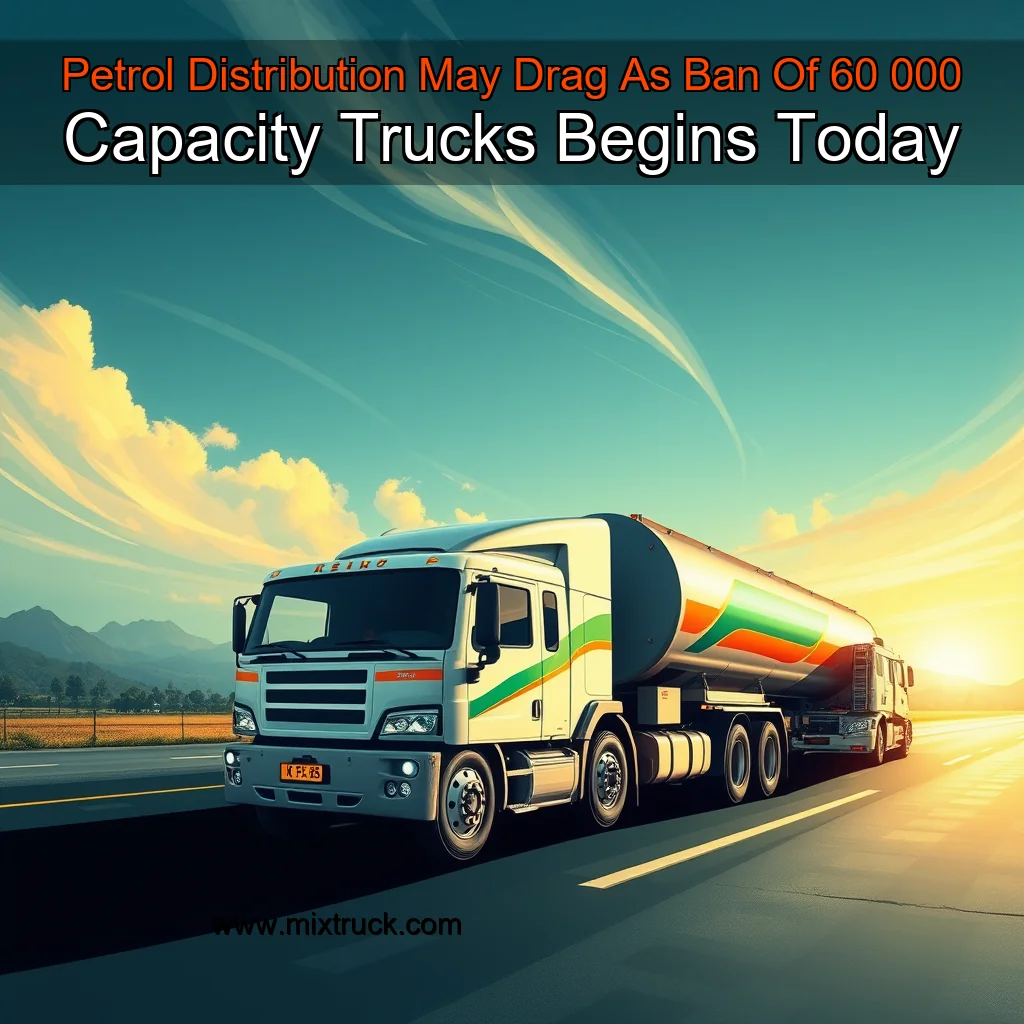
The ban on fuel tankers with capacities exceeding 60,000 litres is a significant move by the federal government to address concerns over the safety and environmental impact of large fuel tankers. The ban aims to reduce the risk of accidents and minimize the environmental damage caused by these tankers.
New fuel loading rules to curb fuel theft and boost road safety.
The New Fuel Loading Regulation: What You Need to Know
The Nigerian government has announced a new regulation aimed at reducing fuel theft and improving road safety.
Introduction
The logistics and transportation sector has undergone significant changes in recent years, driven by the increasing demand for efficient and reliable supply chain management. In this context, the importance of ensuring the safety and roadworthiness of vehicles cannot be overstated. A vehicle that is not safe or motorable can pose a significant risk to the cargo, the driver, and other road users. In this article, we will explore the importance of ensuring the safety and roadworthiness of vehicles in the logistics and transportation sector.
The Importance of Safety and Roadworthiness
Ensuring the Safety of Cargo
Ensuring the Safety of Drivers
Ensuring the Safety of Other Road Users
Reducing tanker-related accidents through improved safety measures and training.
The Problem of Heavy-Duty Petroleum Truck Accidents
The transportation of petroleum products is a critical component of the global economy, with millions of barrels of oil and petroleum products being transported every day. However, this transportation comes with significant risks, particularly when it involves heavy-duty petroleum trucks. The increasing number of accidents involving these trucks has raised concerns among industry stakeholders, including transport unions and safety experts. The main causes of these accidents include:
- Driver fatigue
- Poor road conditions
- Inadequate safety measures
- Vehicle maintenance issues
The Proposed Measures
To address the rising number of accidents involving heavy-duty petroleum trucks, industry stakeholders have agreed on a set of measures to reduce tanker-related accidents. These measures include:
The Benefits of the Proposed Measures
The proposed measures aim to mitigate the risks associated with heavy-duty petroleum truck accidents. By implementing these measures, the industry can reduce the number of accidents, improve safety, and minimize the economic and environmental impacts of these accidents.
The tanker industry has been plagued by a series of accidents and incidents, resulting in the loss of hundreds of lives and billions of dollars in damages.
The Tanker Industry’s Safety Concerns
The tanker industry has long been plagued by safety concerns, with a history of accidents and incidents that have resulted in significant loss of life and property damage.