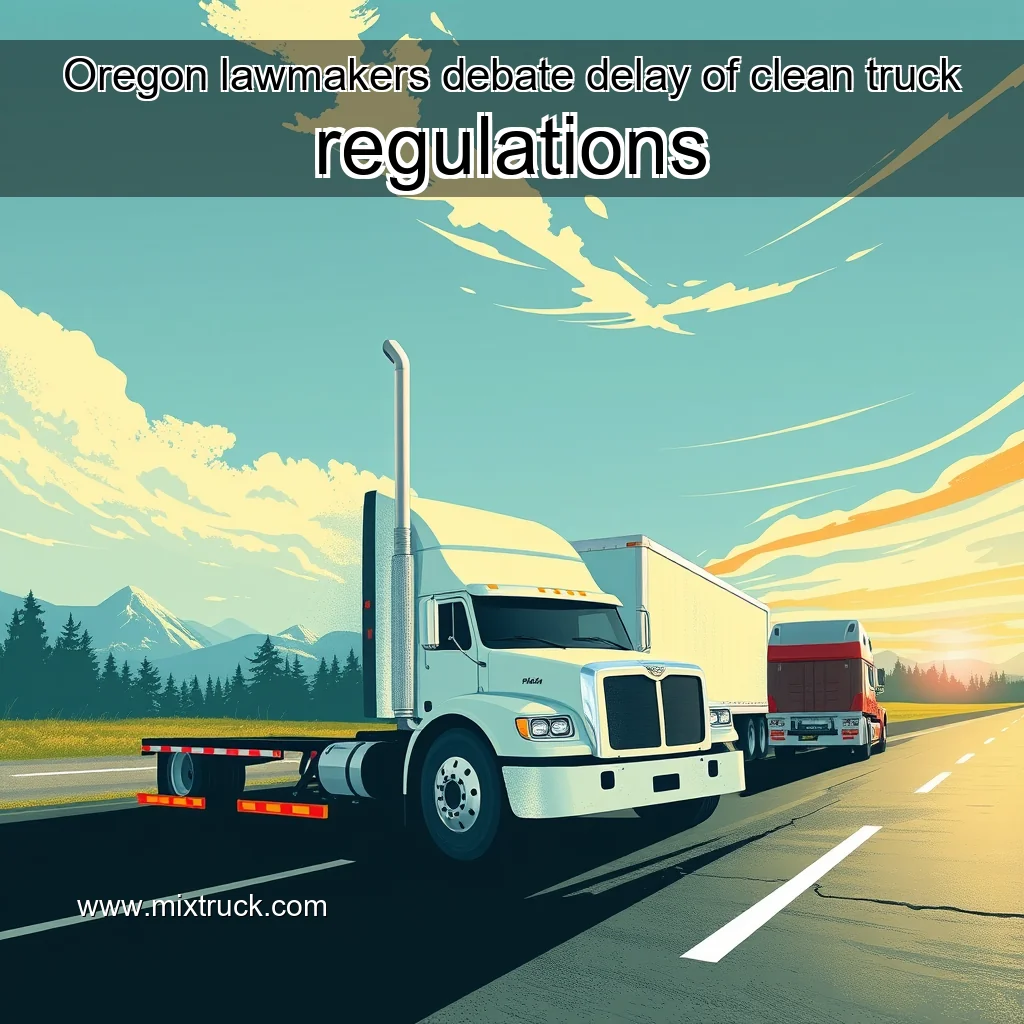
They claim that the regulations are too stringent and will lead to increased costs for consumers and businesses.
The Concerns of Proponents
The proponents of House Bill 3119 are primarily concerned with the practicality of implementing large electric vehicles on a wide scale. They argue that the regulations imposed by the Department of Environmental Quality are too stringent and will lead to increased costs for consumers and businesses. Some of the specific concerns raised by proponents include:
The Impact on the Environment
Despite the concerns raised by proponents, the implementation of large electric vehicles is expected to have a positive impact on the environment. Electric vehicles produce zero tailpipe emissions, which means they do not contribute to air pollution and greenhouse gas emissions. In fact, studies have shown that widespread adoption of electric vehicles could reduce greenhouse gas emissions by up to 70% compared to traditional gasoline-powered vehicles.
The Role of the Department of Environmental Quality
The Department of Environmental Quality plays a crucial role in enforcing the ACT regulations and ensuring that electric vehicles are designed and manufactured in an environmentally responsible manner. The department’s regulations require electric vehicle manufacturers to meet certain standards for emissions, energy efficiency, and safety.
Diesel trucks’ environmental impact and infrastructure challenges hinder widespread adoption of electric trucks.
The Environmental Impact of Diesel Trucks
Diesel trucks have long been a source of environmental concern due to their significant contribution to greenhouse gas emissions and air pollution. The combustion of diesel fuel releases carbon dioxide, a major contributor to climate change, as well as particulate matter, nitrogen oxides, and other pollutants that can have devastating effects on human health and the environment. The production of diesel fuel is also a significant source of greenhouse gas emissions, with the extraction, refining, and transportation of fuel contributing to the overall carbon footprint of the industry. In addition, the disposal of diesel engines and other components at the end of their life can lead to toxic waste and pollution.*
The Infrastructure Barrier
Despite the environmental concerns, there are also significant infrastructure challenges that must be addressed before electric trucks can become a viable alternative. The lack of charging infrastructure, particularly in rural areas, makes it difficult for drivers to charge their vehicles on the go. The cost of installing charging infrastructure is a significant barrier to widespread adoption, with estimates suggesting that it could cost upwards of $10 billion to build a comprehensive network of charging stations across the US.
They argue that the electrification of these larger trucks is not feasible with current technology, and that the proposed timeline is unrealistic.
The Challenges of Electrifying Large Trucks
The electrification of Class 7 and 8 trucks poses significant challenges due to their size and weight. These trucks are among the largest and heaviest on the road, making them difficult to electrify. The main issue is that the batteries required to power these trucks are too large and heavy, making them impractical for widespread adoption. The weight of the batteries alone would add significant weight to the truck, affecting its overall performance and maneuverability. The size of the batteries would also require significant modifications to the truck’s chassis and suspension system. Furthermore, the cost of the batteries and the necessary infrastructure to support them would be prohibitively expensive.
The Impact on the Environment
The electrification of Class 7 and 8 trucks would have a significant impact on the environment. The reduction in greenhouse gas emissions would be substantial, but the challenges of electrifying these trucks would mitigate this benefit. The production of batteries for these trucks would require significant amounts of energy and resources, leading to increased greenhouse gas emissions. The disposal of the batteries at the end of their life would also pose environmental concerns.*
Alternative Solutions
Instead of electrifying Class 7 and 8 trucks, alternative solutions could be explored. These include:
The bill was passed by the House of Representatives on March 31, 2023, with a vote of 222-203. The Senate has not yet taken action on the bill.
The Bill: A Comprehensive Overview
The bill, officially known as the “Protecting Our Communities Act,” aims to address various issues related to public safety, community policing, and social justice. The legislation seeks to reform the policing practices in the United States, focusing on de-escalation techniques, community engagement, and accountability mechanisms.
Key Provisions
Impact on Public Safety
The Protecting Our Communities Act has the potential to significantly impact public safety in the United States. By promoting de-escalation techniques and community engagement, the bill aims to reduce the number of violent incidents and improve relationships between law enforcement and the communities they serve.
Senate Action
The Senate has not yet taken action on the bill, leaving its fate uncertain.