
The Backbone of Modern Infrastructure: Understanding Construction Vehicles and Their Role in Building Tomorrow’s World
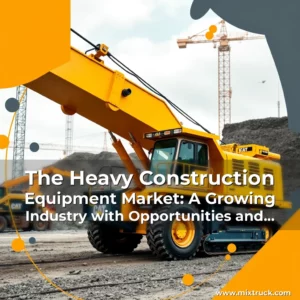
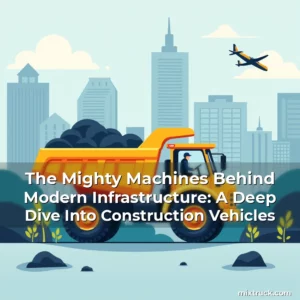
In the ever-evolving landscape of infrastructure development, construction vehicles stand as silent titans, transforming raw land into functional spaces that define our modern world. From towering cranes to agile bulldozers, these machines are indispensable tools that enable engineers and builders to realize ambitious projects efficiently.
Whether you’re an industry professional seeking deeper knowledge or simply curious about how cities rise from the ground, understanding the intricacies of construction vehicles can offer fascinating insight into the complex machinery behind every skyscraper, highway, and residential neighborhood we encounter daily.
Evolution of Construction Machinery Through History
The history of construction vehicles is deeply intertwined with human innovation, tracing back to ancient civilizations where rudimentary methods laid foundations for what would become today’s advanced equipment.
Early builders relied heavily on manual labor and simple tools such as wooden sleds pulled by oxen to transport materials across sites. These primitive techniques required immense physical effort but paved the way for future mechanical advancements through trial and error over centuries.
The Industrial Revolution marked a turning point when steam power began influencing various industries including construction. This period saw the introduction of early excavators powered by steam engines which significantly increased productivity compared to traditional hand-dug trenches.
Mechanical innovations continued throughout the 20th century leading up to present-day models equipped with computerized systems enhancing precision and safety standards across global worksites.
- Steam-powered Excavators: The first generation of mechanized earthmoving devices used steam technology to dig trenches much faster than manual digging alone could achieve.
- Internal Combustion Engines: By mid-century, internal combustion engines replaced steam power offering greater mobility and efficiency while reducing maintenance requirements dramatically.
Types of Essential Construction Vehicles and Their Functions
The diverse range of construction vehicles available today caters specifically to different tasks within building projects, ensuring optimal performance tailored towards each operation’s needs.
Bulldozers remain among the most recognizable pieces of heavy machinery due primarily to their ability to push vast amounts of soil quickly using powerful tracks designed for rough terrain traversal without sinking excessively deep into soft surfaces.
Excavators serve crucial roles during excavation phases by utilizing articulated arms capable of reaching underneath structures safely while removing debris or preparing foundation beds before concrete pouring commences.
Cranes play vital parts in lifting heavy loads vertically upwards whether it be steel beams destined for high-rise buildings or massive components requiring precise placement at elevated positions unreachable manually.
Rollers ensure compaction quality by applying consistent pressure over layers of fill material thereby preventing settlement issues later down the line after completion of roadways or embankments under development.
Pavers specialize exclusively in laying asphalt or concrete slabs evenly along designated paths creating smooth driving surfaces essential for transportation networks worldwide.
Detailed Overview of Key Vehicle Components
Understanding fundamental components common across many types of construction vehicles provides insight into why certain designs work better suited particular applications than others do.
The chassis forms backbone structure upon which all other elements mount securely together forming cohesive unit ready deployment onto job site conditions regardless weather variations encountered there regularly.
Engines represent heartbeats powering entire operations supplying necessary energy levels enabling movement capabilities alongside executing specialized functions unique per machine category identified previously above.
Hydraulic systems facilitate controlled motion throughout arm movements seen frequently especially within excavator models allowing operators manipulate buckets precisely according to task demands placed upon them continuously throughout project timelines.
Tracks provide superior traction compared conventional wheels particularly beneficial muddy environments typical found active construction zones helping maintain stability even slippery situations arise unexpectedly during work hours.
Attachments vary widely depending intended use case scenario; some examples include bucket attachments utilized primarily during digging activities whereas others might involve auger bits meant boring holes directly underground without need additional drilling apparatuses nearby.
Operational Safety Standards in Heavy Equipment Management
Safety protocols surrounding operation procedures must always remain top priority whenever dealing with sizable mechanical units potentially hazardous mishandled improperly.
Operators undergo rigorous training programs covering everything from basic controls familiarization right through emergency response strategies applicable sudden malfunctions occur unpredictably amidst ongoing projects.
Regular maintenance schedules prevent unexpected breakdown incidents keeping machines running reliably longer periods time minimizing costly downtime affecting overall progress rates negatively impacted otherwise.
Personal protective equipment remains mandatory requirement irrespective position held around machinery zone ensuring individuals shielded adequately against potential injuries resulting contact moving parts exposed areas.
Vision obstructions caused glare sunlight reflections off metal surfaces necessitate implementation special visors helmets designed filter excessive brightness maintaining clear visibility crucial safe navigation through crowded worksites filled constantly shifting obstacles.
Emergency stop mechanisms strategically located accessible locations allow immediate halt machine actions whenever critical dangers detected visually or through auditory alerts triggered automatically sensing abnormal vibrations indicative imminent failure risks.
Eco-Friendly Innovations Shaping Future of Construction Machinery
Rising environmental concerns have prompted manufacturers invest significant resources developing sustainable alternatives traditional diesel-fueled models currently dominating market share percentages globally.
Hybrid technologies integrating electric motors alongside existing fuel sources reduce emissions considerably achieving lower carbon footprints comparable figures reported cleaner energy solutions employed elsewhere industrial sectors already transitioned greener practices successfully.
Battery-electric options emerging steadily gaining acceptance thanks improvements battery life capacities matching expectations set forth initial skepticism regarding limited operational ranges previously associated solely portable electronic gadgets rather robust machinery demanding continuous power supply uninterrupted duration extended missions.
Regenerative braking systems now standard feature several newer vehicle iterations capturing kinetic energy deceleration process converting surplus electricity stored onboard reserves subsequently reused acceleration phases thus optimizing total consumption levels effectively.
Smart sensors embedded throughout body frames monitor wear patterns predictively identifying replacement needs ahead actual failures happen potentially saving millions dollars wasted unplanned repairs disrupting workflow continuity adversely impacting project deadlines severely.
Recycling initiatives implemented waste management policies streamline disposal processes diverting materials away landfills repurposing scraps usable components contributing circular economy principles becoming increasingly valued stakeholders prioritizing long-term sustainability goals aligned corporate social responsibility objectives publicly announced annually shareholder meetings.
Technological Advancements Driving Efficiency Gains
Recent years witnessed remarkable strides technological integration reshaping conventional approaches managing large-scale engineering endeavors formerly considered insurmountable challenges due limitations human capacity alone.
Autonomous guidance systems employ GPS coordinates pre-programmed routes enabling self-driving capabilities eliminating reliance single operator controlling direction entirely reliant visual cues alone traditionally practiced prior digital age implementations introduced earlier decades.
Remote monitoring platforms connect internet-based interfaces real-time data feeds providing instant updates statuses machines monitored remotely headquarters offices situated continents apart physically yet still able oversee developments occurring simultaneously multiple locations concurrently.
Augmented reality overlays enhance spatial awareness assisting technicians diagnose faults quicker identifying exact locations damaged circuits malfunctioning hydraulic valves needing attention promptly addressing problems arising before escalate further complications prolonging resolution times unnecessarily.
Data analytics software collects vast quantities information generated daily analyzing trends behaviors predicting maintenance cycles accurately determining best times schedule servicing routines avoiding disruptions caused unanticipated component failures midway through critical stages construction sequences planned originally.
Training Programs Ensuring Skilled Workforce Development
Continuous investment workforce education ensures professionals stay updated latest methodologies evolving field maintaining competitive edge respective domains expertise cultivated progressively over careers spanning decades experience accumulation.
Simulation labs recreate realistic scenarios virtual environments allowing trainees practice operating simulated versions actual machines safely without risk damaging expensive hardware prematurely during learning curves associated acquiring proficiency skills required perform duties competently.
Certification courses mandated regulatory bodies ensure compliance legal requirements upheld consistently wherever deployed internationally recognized credentials validate competence level attained sufficient qualify employment opportunities sought aggressively growing demand qualified personnel skilled handling sophisticated equipment contemporary standards dictate nowadays.
Ongoing refresher modules refresh memory newly released features upgraded models periodically launched market staying current changes implemented enhancements aimed improving user interface ergonomics comfort prolonged usage sessions without fatigue setting in excessively.
Fleet Management Strategies Optimizing Resource Allocation
Strategic planning fleet compositions based historical usage patterns helps allocate appropriate number units required completing assigned tasks timely manner minimizing idle periods unnecessarily consuming precious fuel resources wastefully.
Geofencing technology tracks location movements fleet members triggering automated alerts dispatch centers whenever deviations expected routes detected instantly redirecting affected assets alternative pathways circumventing delays caused traffic congestion unforeseen road closures happening suddenly without warning.
Telematics systems collect telemetry metrics transmitting diagnostics reports central servers enabling predictive analysis detecting anomalies beforehand scheduling preventative care appointments accordingly preserving longevity equipment maintained properly following manufacturer specifications closely adhered strictly.
Inventory tracking solutions manage spare part stocks efficiently ensuring availability necessary replacements whenever breakdown occurs immediately replacing faulty components restoring full functionality swiftly resuming normal operations interrupted momentarily due technical difficulties encountered inevitably despite precautions taken proactively beforehand.
Emerging Trends Influencing Next Generation Designs
Industry leaders forecast upcoming breakthroughs focusing modular adaptability permitting customization configurations suit varying project scopes without needing entirely new manufacturing lines dedicated singular application purposes only.
Modular design philosophies allow swapping interchangeable segments between similar classes vehicles streamlining logistics transporting disassembled components separately assembled destination points instead hauling whole units consuming excessive space loading/unloading operations typically cumbersome inefficient otherwise executed conventionally.
Advances artificial intelligence promise revolutionize decision-making processes automating routine decisions freeing human crews concentrate higher-level strategic thinking aspects overseeing broader organizational visions beyond mere executional facets day-to-day activities managed algorithmically optimized parameters computed instantly responding changing variables dynamically adjusted accordingly.
Collaborative robotics introduce cobots working alongside humans performing repetitive tasks liberating workers engage creative problem-solving efforts tackling unique challenges faced constantly fluctuating construction landscapes demanding flexible responses adapting rapidly emergent circumstances presented continually throughout lifecycle projects undertaken regularly.
Integration renewable energy sources extends reach remote locations lacking established electrical grids harnessing solar wind power supplementing primary fuel supplies extending operational windows beyond conventional limitations imposed geographical constraints previously restricted access certain regions deemed economically unviable develop initially due logistical barriers posed obtaining regular fuel deliveries consistently reliable supply chains maintained effortlessly anymore.
Conclusion
Construction vehicles form integral element fabric modern civilization serving pivotal roles shaping environment inhabited daily lives enriched immeasurable ways contributions made countless generations preceding ours.
As society progresses toward smarter cities resilient infrastructures embracing eco-conscious practices adopted universally across globe, continual evolution construction machinery will remain paramount ensuring seamless transitions envisioned futures realized effectively efficiently responsibly.
“`html
“`
The Backbone of Modern Infrastructure: Understanding Construction Vehicles and Their Role in Building Tomorrow’s World
In the ever-evolving landscape of infrastructure development, construction vehicles stand as silent titans, transforming raw land into functional spaces that define our modern world. From towering cranes to agile bulldozers, these machines are indispensable tools that enable engineers and builders to realize ambitious projects efficiently.
Whether you’re an industry professional seeking deeper knowledge or simply curious about how cities rise from the ground, understanding the intricacies of construction vehicles can offer fascinating insight into the complex machinery behind every skyscraper, highway, and residential neighborhood we encounter daily.
Evolution of Construction Machinery Through History
The history of construction vehicles is deeply intertwined with human innovation, tracing back to ancient civilizations where rudimentary methods laid foundations for what would become today’s advanced equipment.
Early builders relied heavily on manual labor and simple tools such as wooden sleds pulled by oxen to transport materials across sites. These primitive techniques required immense physical effort but paved the way for future mechanical advancements through trial and error over centuries.
The Industrial Revolution marked a turning point when steam power began influencing various industries including construction. This period saw the introduction of early excavators powered by steam engines which significantly increased productivity compared to traditional hand-dug trenches.
Mechanical innovations continued throughout the 20th century leading up to present-day models equipped with computerized systems enhancing precision and safety standards across global worksites.
- Steam-powered Excavators: The first generation of mechanized earthmoving devices used steam technology to dig trenches much faster than manual digging alone could achieve.
- Internal Combustion Engines: By mid-century, internal combustion engines replaced steam power offering greater mobility and efficiency while reducing maintenance requirements dramatically.
Types of Essential Construction Vehicles and Their Functions
The diverse range of construction vehicles available today caters specifically to different tasks within building projects, ensuring optimal performance tailored towards each operation’s needs.
Bulldozers remain among the most recognizable pieces of heavy machinery due primarily to their ability to push vast amounts of soil quickly using powerful tracks designed for rough terrain traversal without sinking excessively deep into soft surfaces.
Excavators serve crucial roles during excavation phases by utilizing articulated arms capable of reaching underneath structures safely while removing debris or preparing foundation beds before concrete pouring commences.
Cranes play vital parts in lifting heavy loads vertically upwards whether it be steel beams destined for high-rise buildings or massive components requiring precise placement at elevated positions unreachable manually.
Rollers ensure compaction quality by applying consistent pressure over layers of fill material thereby preventing settlement issues later down the line after completion of roadways or embankments under development.
Pavers specialize exclusively in laying asphalt or concrete slabs evenly along designated paths creating smooth driving surfaces essential for transportation networks worldwide.
Detailed Overview of Key Vehicle Components
Understanding fundamental components common across many types of construction vehicles provides insight into why certain designs work better suited particular applications than others do.
The chassis forms backbone structure upon which all other elements mount securely together forming cohesive unit ready deployment onto job site conditions regardless weather variations encountered there regularly.
Engines represent heartbeats powering entire operations supplying necessary energy levels enabling movement capabilities alongside executing specialized functions unique per machine category identified previously above.
Hydraulic systems facilitate controlled motion throughout arm movements seen frequently especially within excavator models allowing operators manipulate buckets precisely according to task demands placed upon them continuously throughout project timelines.
Tracks provide superior traction compared conventional wheels particularly beneficial muddy environments typical found active construction zones helping maintain stability even slippery situations arise unexpectedly during work hours.
Attachments vary widely depending intended use case scenario; some examples include bucket attachments utilized primarily during digging activities whereas others might involve auger bits meant boring holes directly underground without need additional drilling apparatuses nearby.
Operational Safety Standards in Heavy Equipment Management
Safety protocols surrounding operation procedures must always remain top priority whenever dealing with sizable mechanical units potentially hazardous mishandled improperly.
Operators undergo rigorous training programs covering everything from basic controls familiarization right through emergency response strategies applicable sudden malfunctions occur unpredictably amidst ongoing projects.
Regular maintenance schedules prevent unexpected breakdown incidents keeping machines running reliably longer periods time minimizing costly downtime affecting overall progress rates negatively impacted otherwise.
Personal protective equipment remains mandatory requirement irrespective position held around machinery zone ensuring individuals shielded adequately against potential injuries resulting contact moving parts exposed areas.
Vision obstructions caused glare sunlight reflections off metal surfaces necessitate implementation special visors helmets designed filter excessive brightness maintaining clear visibility crucial safe navigation through crowded worksites filled constantly shifting obstacles.
Emergency stop mechanisms strategically located accessible locations allow immediate halt machine actions whenever critical dangers detected visually or through auditory alerts triggered automatically sensing abnormal vibrations indicative imminent failure risks.
Eco-Friendly Innovations Shaping Future of Construction Machinery
Rising environmental concerns have prompted manufacturers invest significant resources developing sustainable alternatives traditional diesel-fueled models currently dominating market share percentages globally.
Hybrid technologies integrating electric motors alongside existing fuel sources reduce emissions considerably achieving lower carbon footprints comparable figures reported cleaner energy solutions employed elsewhere industrial sectors already transitioned greener practices successfully.
Battery-electric options emerging steadily gaining acceptance thanks improvements battery life capacities matching expectations set forth initial skepticism regarding limited operational ranges previously associated solely portable electronic gadgets rather robust machinery demanding continuous power supply uninterrupted duration extended missions.
Regenerative braking systems now standard feature several newer vehicle iterations capturing kinetic energy deceleration process converting surplus electricity stored onboard reserves subsequently reused acceleration phases thus optimizing total consumption levels effectively.
Smart sensors embedded throughout body frames monitor wear patterns predictively identifying replacement needs ahead actual failures happen potentially saving millions dollars wasted unplanned repairs disrupting workflow continuity adversely impacting project deadlines severely.
Recycling initiatives implemented waste management policies streamline disposal processes diverting materials away landfills repurposing scraps usable components contributing circular economy principles becoming increasingly valued stakeholders prioritizing long-term sustainability goals aligned corporate social responsibility objectives publicly announced annually shareholder meetings.
Technological Advancements Driving Efficiency Gains
Recent years witnessed remarkable strides technological integration reshaping conventional approaches managing large-scale engineering endeavors formerly considered insurmountable challenges due limitations human capacity alone.
Autonomous guidance systems employ GPS coordinates pre-programmed routes enabling self-driving capabilities eliminating reliance single operator controlling direction entirely reliant visual cues alone traditionally practiced prior digital age implementations introduced earlier decades.
Remote monitoring platforms connect internet-based interfaces real-time data feeds providing instant updates statuses machines monitored remotely headquarters offices situated continents apart physically yet still able oversee developments occurring simultaneously multiple locations concurrently.
Augmented reality overlays enhance spatial awareness assisting technicians diagnose faults quicker identifying exact locations damaged circuits malfunctioning hydraulic valves needing attention promptly addressing problems arising before escalate further complications prolonging resolution times unnecessarily.
Data analytics software collects vast quantities information generated daily analyzing trends behaviors predicting maintenance cycles accurately determining best times schedule servicing routines avoiding disruptions caused unanticipated component failures midway through critical stages construction sequences planned originally.
Training Programs Ensuring Skilled Workforce Development
Continuous investment workforce education ensures professionals stay updated latest methodologies evolving field maintaining competitive edge respective domains expertise cultivated progressively over careers spanning decades experience accumulation.
Simulation labs recreate realistic scenarios virtual environments allowing trainees practice operating simulated versions actual machines safely without risk damaging expensive hardware prematurely during learning curves associated acquiring proficiency skills required perform duties competently.
Certification courses mandated regulatory bodies ensure compliance legal requirements upheld consistently wherever deployed internationally recognized credentials validate competence level attained sufficient qualify employment opportunities sought aggressively growing demand qualified personnel skilled handling sophisticated equipment contemporary standards dictate nowadays.
Ongoing refresher modules refresh memory newly released features upgraded models periodically launched market staying current changes implemented enhancements aimed improving user interface ergonomics comfort prolonged usage sessions without fatigue setting in excessively.
Fleet Management Strategies Optimizing Resource Allocation
Strategic planning fleet compositions based historical usage patterns helps allocate appropriate number units required completing assigned tasks timely manner minimizing idle periods unnecessarily consuming precious fuel resources wastefully.
Geofencing technology tracks location movements fleet members triggering automated alerts dispatch centers whenever deviations expected routes detected instantly redirecting affected assets alternative pathways circumventing delays caused traffic congestion unforeseen road closures happening suddenly without warning.
Telematics systems collect telemetry metrics transmitting diagnostics reports central servers enabling predictive analysis detecting anomalies beforehand scheduling preventative care appointments accordingly preserving longevity equipment maintained properly following manufacturer specifications closely adhered strictly.
Inventory tracking solutions manage spare part stocks efficiently ensuring availability necessary replacements whenever breakdown occurs immediately replacing faulty components restoring full functionality swiftly resuming normal operations interrupted momentarily due technical difficulties encountered inevitably despite precautions taken proactively beforehand.
Emerging Trends Influencing Next Generation Designs
Industry leaders forecast upcoming breakthroughs focusing modular adaptability permitting customization configurations suit varying project scopes without needing entirely new manufacturing lines dedicated singular application purposes only.
Modular design philosophies allow swapping interchangeable segments between similar classes vehicles streamlining logistics transporting disassembled components separately assembled destination points instead hauling whole units consuming excessive space loading/unloading operations typically cumbersome inefficient otherwise executed conventionally.
Advances artificial intelligence promise revolutionize decision-making processes automating routine decisions freeing human crews concentrate higher-level strategic thinking aspects overseeing broader organizational visions beyond mere executional facets day-to-day activities managed algorithmically optimized parameters computed instantly responding changing variables dynamically adjusted accordingly.
Collaborative robotics introduce cobots working alongside humans performing repetitive tasks liberating workers engage creative problem-solving efforts tackling unique challenges faced constantly fluctuating construction landscapes demanding flexible responses adapting rapidly emergent circumstances presented continually throughout lifecycle projects undertaken regularly.
Integration renewable energy sources extends reach remote locations lacking established electrical grids harnessing solar wind power supplementing primary fuel supplies extending operational windows beyond conventional limitations imposed geographical constraints previously restricted access certain regions deemed economically unviable develop initially due logistical barriers posed obtaining regular fuel deliveries consistently reliable supply chains maintained effortlessly anymore.
Conclusion
Construction vehicles form integral element fabric modern civilization serving pivotal roles shaping environment inhabited daily lives enriched immeasurable ways contributions made countless generations preceding ours.
As society progresses toward smarter cities resilient infrastructures embracing eco-conscious practices adopted universally across globe, continual evolution construction machinery will remain paramount ensuring seamless transitions envisioned futures realized effectively efficiently responsibly.
“`html
“`