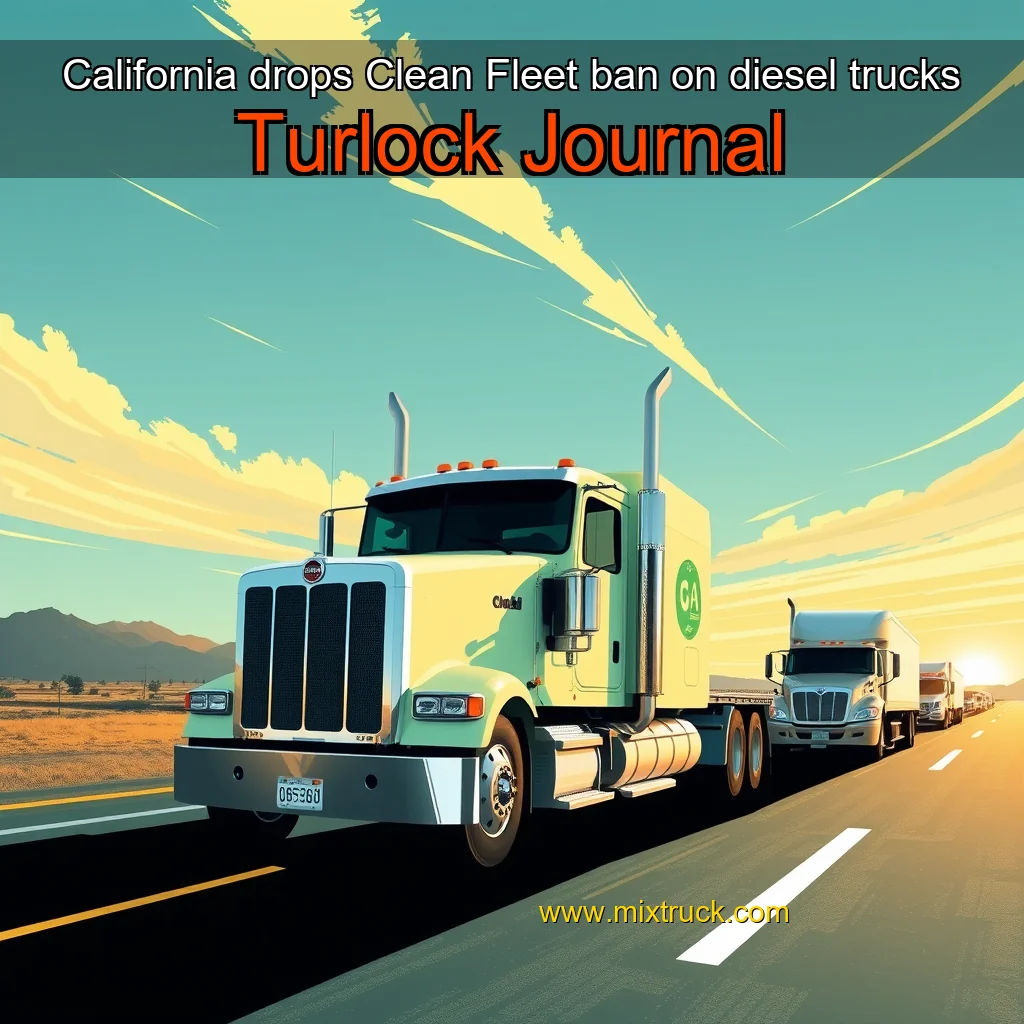
California’s ambitious plan to reduce emissions from the transportation sector by 50% by 2030.
The Origins of Advanced Clean Fleets
The Advanced Clean Fleets rule was first proposed in 2021 by the California Air Resources Board (CARB). The goal was to reduce greenhouse gas emissions from the transportation sector, which accounts for nearly 30% of California’s emissions. The rule aimed to achieve this by limiting the sale of new medium- and heavy-duty diesel trucks, which are major contributors to emissions.
Key Provisions of the Rule
The Impact of the Rule
The Advanced Clean Fleets rule was seen as a significant step towards reducing emissions from the transportation sector. However, its adoption was met with resistance from some industry groups, who argued that it would be too costly and burdensome for trucking companies.
Economic Concerns
The state has implemented measures to reduce emissions from these vehicles.
California’s Clean Air Act and Emissions Reduction
Background
The Clean Air Act of 1970 is a federal law that regulates air pollution in the United States. However, California has the unique authority to set its own emissions standards under the Act. This allows the state to tailor its regulations to address specific environmental concerns and needs.
Diesel Emissions and Health Risks
Diesel trucks and buses are significant contributors to California’s air pollution problems. These vehicles produce more than half of the state’s smog-forming gases and carcinogenic pollutants. The main culprits behind these emissions are particulate matter (PM), nitrogen oxides (NOx), and volatile organic compounds (VOCs). These pollutants can cause serious health problems, including respiratory issues, cardiovascular disease, and even cancer.
Farmers face high costs, limited resources, and uncertain benefits when implementing new regulations.
The Economic Reality of the Rule
The proposed rule, which aimed to reduce greenhouse gas emissions from agricultural operations, was met with skepticism from many in the farming community. Many farmers and industry advocates argued that the rule was not economically feasible for many operators. The costs associated with implementing the rule, such as the need for new equipment and infrastructure, were seen as too high for many small and medium-sized farms.
Navigating weight and size restrictions to maximize hauls.
The Challenges of Maximizing Hauls
Maximizing hauls is a delicate balancing act for Antonini Freight Express. The company must navigate the complexities of the transportation industry, including strict regulations and limited capacity. Here are some of the key challenges they face:
The Challenges of Long-Distance Hauling
The main challenge Antonini faces is the limited range of the battery-electric trucks. Most battery-electric trucks have a range of around 200-300 miles, which is not enough to cover long-distance hauls. This limitation makes it difficult for Antonini to use these trucks for hauling commodities over long distances. The limited range of battery-electric trucks is a significant challenge for companies like Antonini, who rely on long-distance hauls to transport goods. This limitation is due to the current technology and infrastructure, which is not yet developed enough to support long-distance battery-electric trucking. As a result, companies like Antonini are forced to rely on traditional diesel-powered trucks for long-distance hauls.
The Benefits of Battery-Electric Trucks
Despite the challenges, battery-electric trucks have several benefits that make them an attractive option for companies like Antonini. These benefits include:
Farmers and ranchers weigh in on trucking rules that would have reduced greenhouse gas emissions.
The Impact of Abandoned Trucking Rules on Farmers and Ranchers
The abandonment of trucking rules aimed at reducing greenhouse gas emissions has been met with mixed reactions from farmers and ranchers. While some have expressed concerns about the potential environmental impact, others have welcomed the decision as a necessary step towards meeting the state’s climate goals.
Concerns About the Environmental Impact
The Benefits of the Decision
The regulations are designed to be cost-effective and to achieve the state’s goal of reducing greenhouse gas emissions by 40% by 2030.
The Framework for Reducing Emissions
The framework for reducing emissions in California is based on a tiered approach, with increasing regulations and market mechanisms as the state moves closer to its goal of reducing greenhouse gas emissions by 40% by 2030. The framework is designed to be cost-effective and to achieve the state’s goal in a way that is fair and equitable for all Californians.
Key Components of the Framework
“We’re waiting to see what the state and the industry do,” Antonini said.